Blog
30 pieces of in-depth research across 6 topics
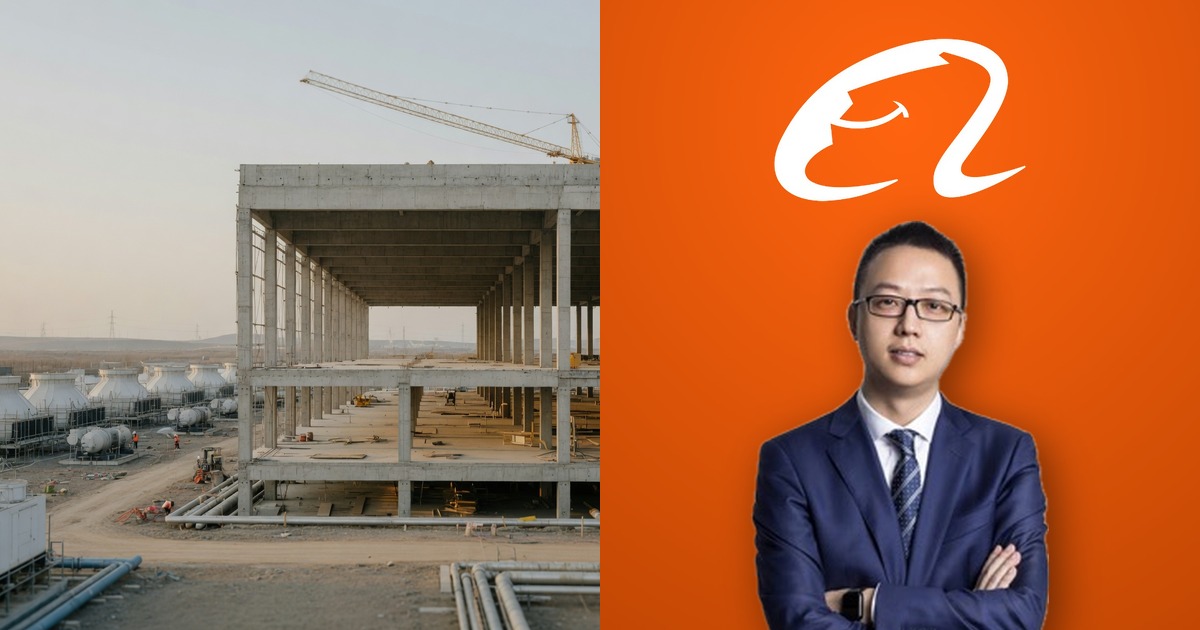
Alibaba Wants 20 Gigawatts by 2032. Six Years of Capex Just Covers the Buildings.
Alibaba targets 20GW of capacity by 2032 with no money attached. Its capex run rate to 2032 is $12.5m a megawatt; shell and core alone costs $11.3m.
Read →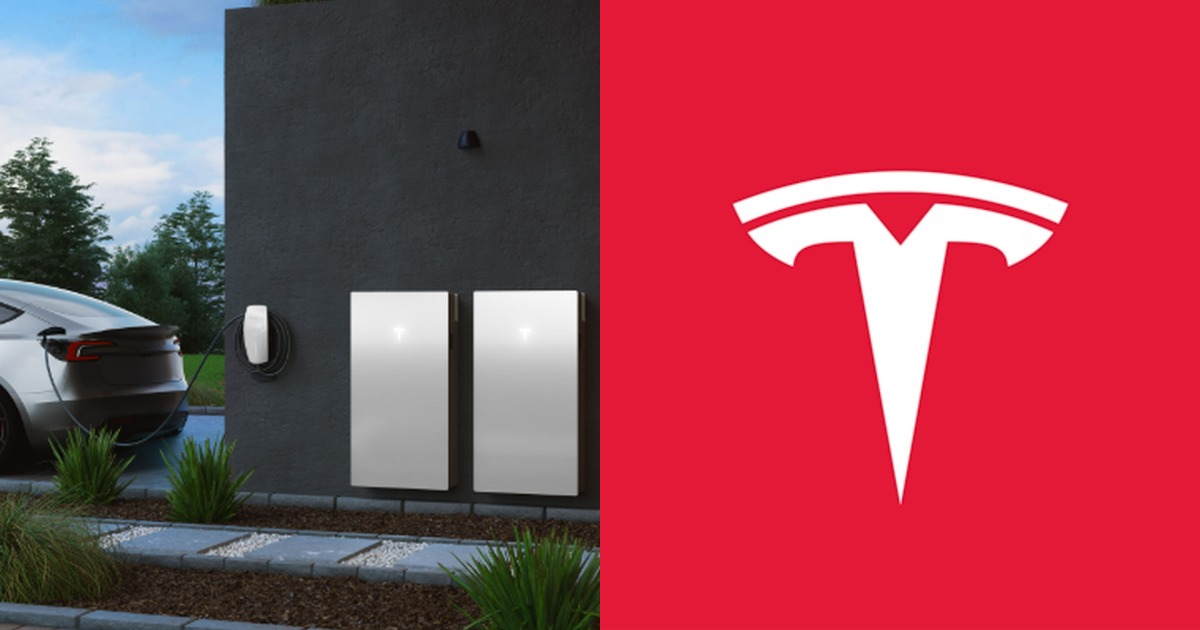
Tesla Gives Up $1,044 a Year for 27 kWh It Already Owns. A Megapack Holds the Same for 5.2 Years of It.
Tesla's Powerwall lease trades an $87 monthly credit for dispatch rights on 27 kWh. Priced per kWh, per kW and per battery, the three answers disagree.
Read →
Microsoft Already Told You It Builds a Gigawatt a Quarter. The 26-Gigawatt Leak Is Six More Years of It.
Microsoft discloses a gigawatt a quarter and $41bn of capex behind it, never a fleet total. The leaked 26 GW is that rate continued, and costs about $1.07tn.
Read →
X Money Publishes Three FDIC Numbers. The $500,000 Everyone Quoted Is the Opt-Out Case.
X Money's FAQ prints $500,000 as the answer to leaving its sweep. The default is $10M through IntraFi ICS — and three of four fintechs never name Cross River.
Read →
Robinhood's Event Contracts: 13.6 Billion a Quarter at 1.15 Cents Each, and the Exchange Takes More
Robinhood's event-contract line went from $3m to $156m in six quarters at about 1.15 cents a contract - above its own 1-cent cap, below what the venue charges.
Read →
Robinhood Is an Underwriter Now. On Its Own Two Funds This Year It Paid Other Banks $20 Million to Be One.
Robinhood Securities has one underwriting mandate, on Oura, every number blank. Its own two 2026 fund IPOs paid Goldman-led syndicates $20.0m of load.
Read →
XPeng's Robot Unit Is Now a $6.3 Billion Company. XPeng's CEO Runs It and Bought 8.75% for $100 Million Down.
XPeng's robot business is now Dogotix, marked at $6.3bn. He Xiaopeng runs it, and bought the 8.75% outside investors paid $600m for, for $100m down.
Read →
Oracle Has $260 Billion of Data-Centre Leases Off Its Balance Sheet. OpenAI's Rating Moves None of It.
Oracle's fiscal 2026 report carries $260B of data-centre leases off its balance sheet against $129.5B of borrowings. An investment-grade OpenAI moves neither.
Read →
Three Vendors Publish Wall Street's SpaceX Range. The Averages Differ by $10. The Highs Differ by $350.
Three data vendors published Wall Street's SpaceX panel this week. Their average targets sit within $10.01; their high targets are $450 and $800.
Read →
How to Value a Cybercab: $30,000 to Build, and $71,000 to $197,500 Back Over Four Years.
Work one Cybercab from build cost through fares, running costs and the for-hire tax exception. The answer is a range, and one undisclosed number sets it.
Read →
The Same 87.5% on ARC-AGI-1 Cost $4,560 in 2024 and 30 Cents in 2026. ARC-AGI-4 Lands in 2027.
A deep dive on ARC-AGI: three versions, seven years of scores, a like-for-like 15,200x cost collapse, and how much of it is hardware rather than software.
Read →
Anthropic Doesn't Trade. It Is Already a $53.4B Line in Amazon's Quarter and Two-Thirds of Microsoft's Beat.
Amazon booked $53.4 billion primarily from its Anthropic stake, and a $3.2 billion gain was two-thirds of Microsoft's beat. The IPO reprices both at once.
Read →
Tesla Chose Self-Certification Over a 2,500-a-Year Exemption. NHTSA Is Now Auditing That Choice.
NHTSA is auditing the Cybercab's self-certification over an estimated 1,000 cars where Texas has registered 45. Its precedent ended in a 2,500-a-year cap.
Read →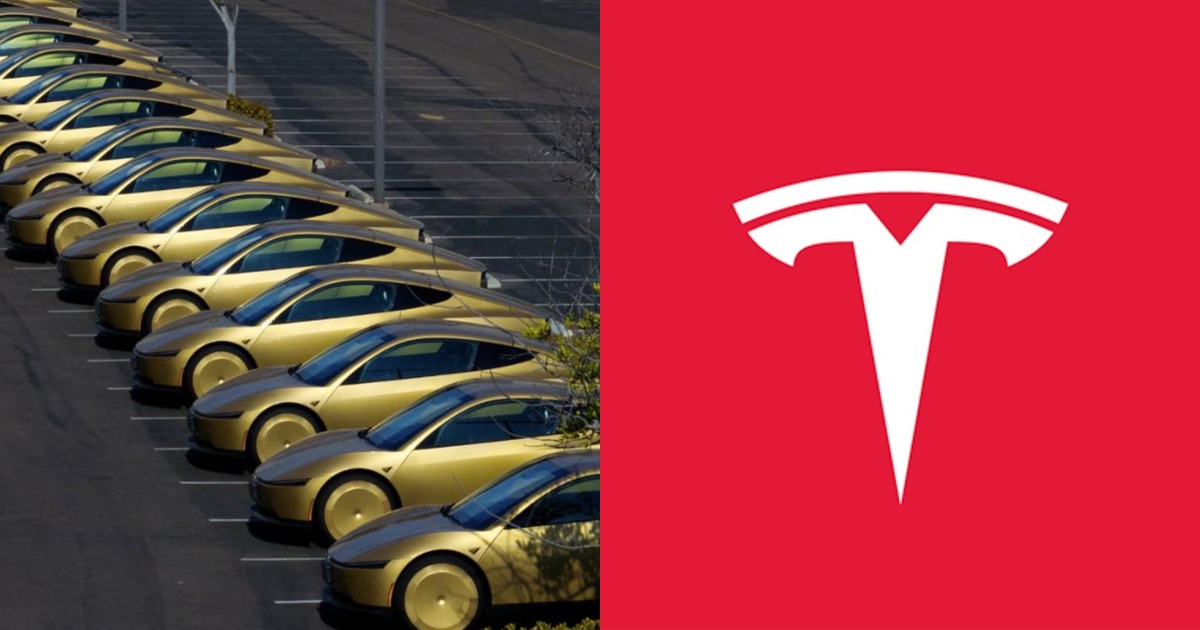
Tesla Cybercab vs. Google Waymo. It Is All About Manufacturing.
Tesla builds Cybercab in one factory system. Waymo ships a China-built Zeekr to Arizona for Driver integration—a boundary that governs cost and scale.
Read →
Meta Is Building Toward 14 GW. Its Rentable Compute Is Still a Thin Slice.
Meta targets 14 GW by 2027 while remaining a major compute buyer. This deep dive maps its Titans, silicon, workloads, utilization and rentable capacity.
Read →
AbCellera Spent $1 Billion Building an Antibody Factory. ABCL635 Is Its First Real Test.
AbCellera has moved from selling antibody discovery work to owning the drugs its platform creates: the $1B factory, four disclosed programs, and the risk.
Read →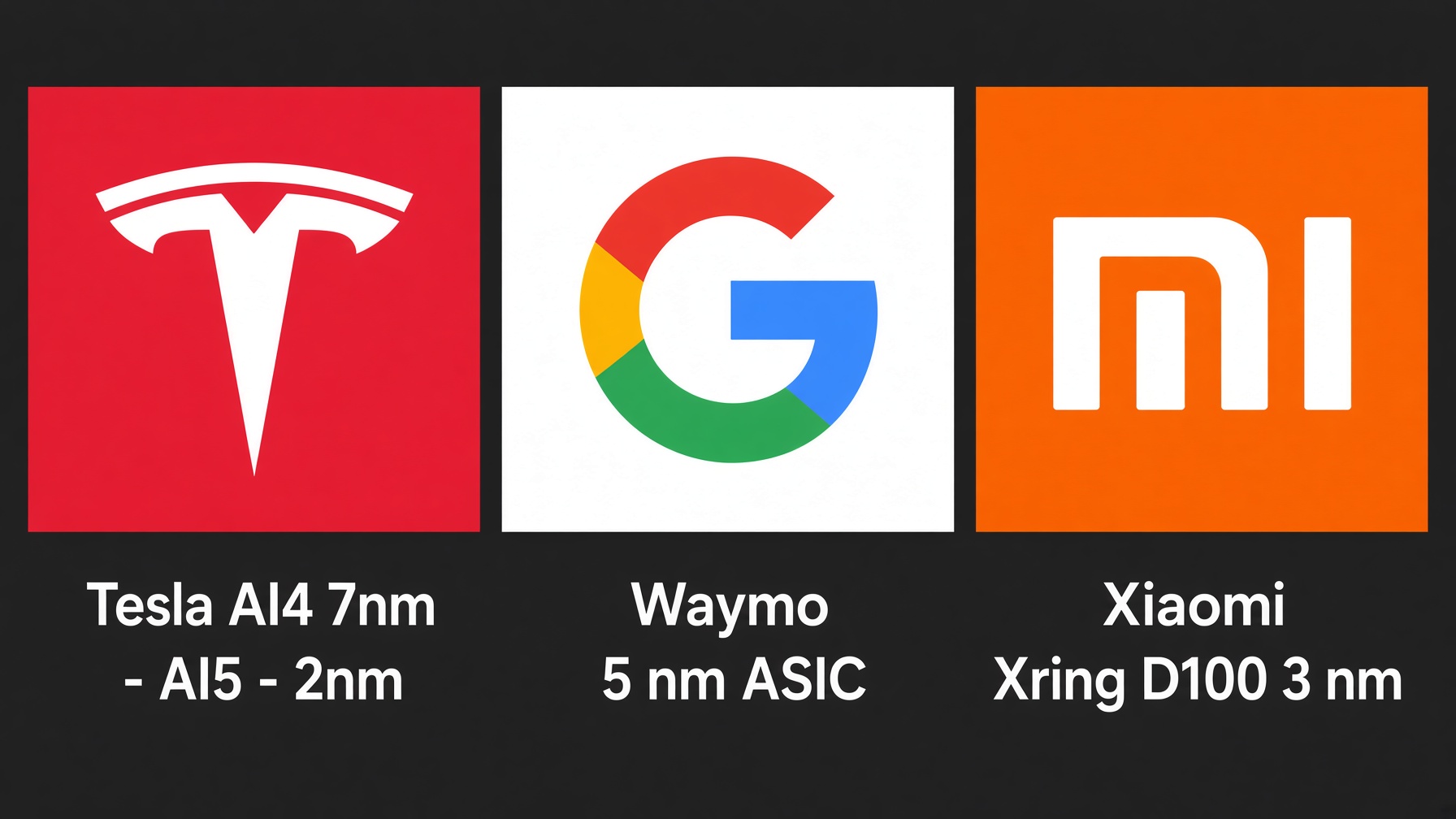
Waymo Is Driving on 5nm. Xiaomi Has Validated 3nm. Tesla Is Moving From 7nm AI4 to a Reported 2nm-Class AI5.
The robotaxi silicon ladder runs from Tesla's 7nm AI4 to a 2nm-class AI5, yet Waymo's mature 5nm ASIC leads the production test: it carries passengers today.
Read →
Robinhood's Prediction Markets: 13.6 Billion Contracts a Quarter, and Where Our Model Says the Line Stops
Event contracts went from $3M to $156M a quarter in six quarters, 11.9% of Robinhood's revenue. What they are, who sells them, where the model stops the line.
Read →
The Non-Linear Rise of AI Tokens: Why Cheaper Intelligence Creates More Demand
Token prices are collapsing while usage explodes. The cause is a sequence of demand regimes — chat, coding agents, persistent multi-agent systems — each bigger.
Read →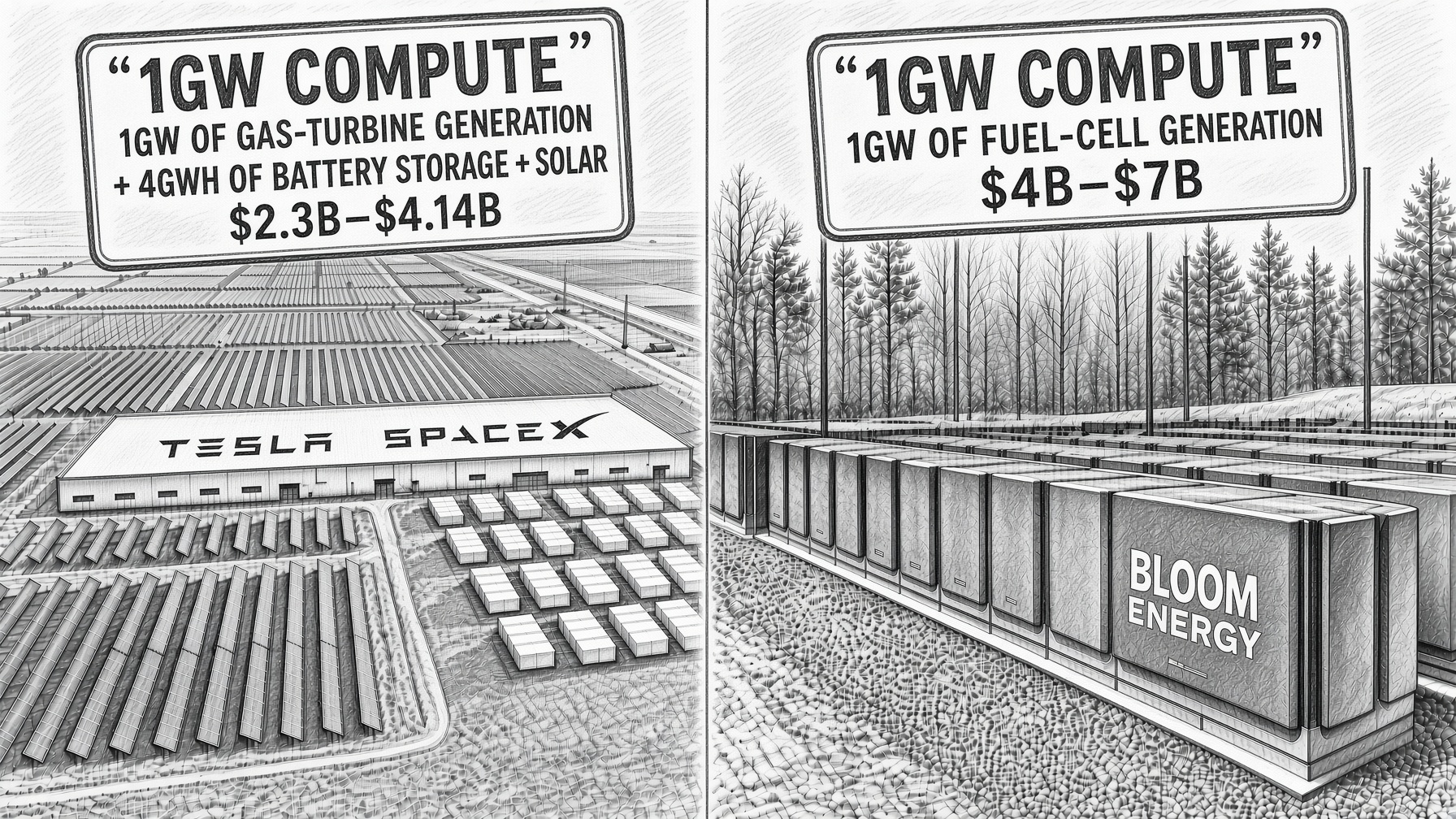
SpaceX Uses Megapacks to Tame Its Gigawatt. Bloom Energy Sells the Megawatts Before the Grid Arrives.
Tesla Megapacks stabilize volatile AI loads; Bloom fuel cells generate onsite before the grid arrives. Where each wins, and why data centers will use both.
Read →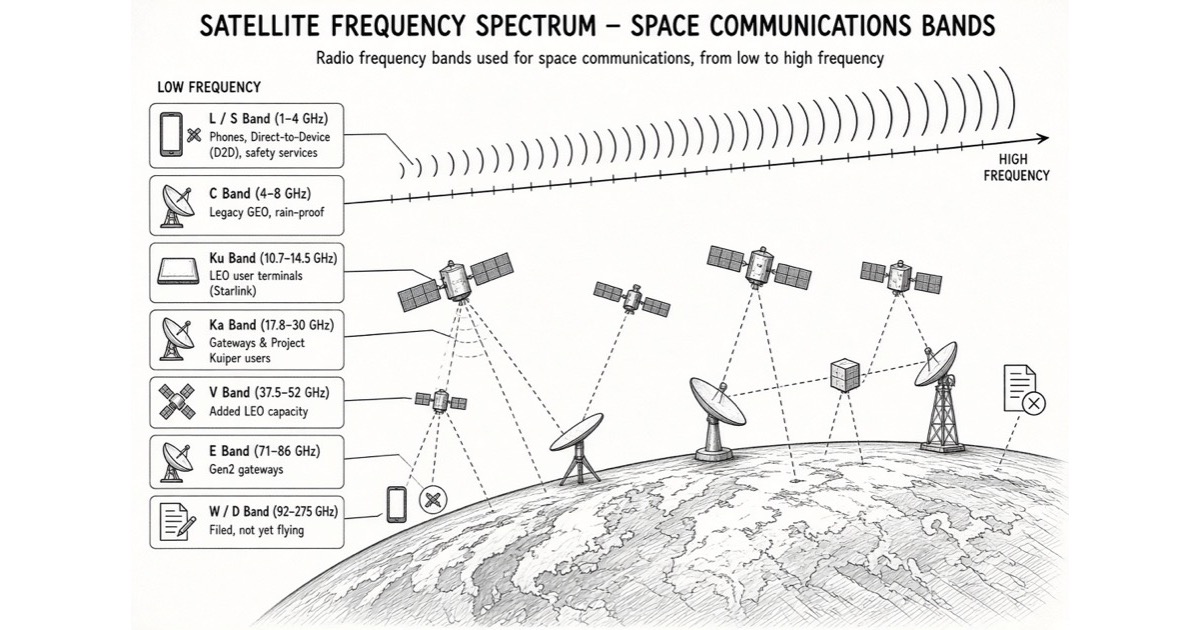
Satellite Spectrum: What the Bands Are, How the Licences Are Won, and Who Holds What
A first-principles guide: what each satellite band is for, why orbit decides which bands work, how the ITU hands out transmit rights, and who holds what today.
Read →
Today's SpaceX Unlock Is 2.4% of the Company. The One in June 2027 Is 49%.
A lock-up releases a share of the locked pool, not the company — for SpaceX the readings differ 2.9x, and a missed $175.50 trigger grew the December tranche.
Read →
Adding $1 Trillion to Tesla Takes 1.8 Million Robotaxis. Three Factories Flat Out Get There in 2031.
At our model's 8x exit multiple, adding $1T to Tesla takes $125B of robotaxi revenue — 1.79M cars. Three factories running flat out cross that line in 2031.
Read →The Same Three Months Were a Loss of $2.49 a Share and a Profit of $0.66. Both Numbers Are Right.
Every company reports earnings per share twice — once under accounting rules and once under management's. The gap runs to 20x, it sometimes runs backwards, and almost nothing you read tells you which one you are looking at.
Read →PEG Ratio: Growth-Adjusted Valuation
The PEG ratio refines P/E by factoring in growth. Learn when it reveals true value and when it misleads.
Read →Price-to-Earnings (P/E) Ratio: What It Tells You and When It Lies
The origin, variations, and practical application of the P/E ratio — the most widely used valuation metric in investing, and when to trust it.
Read →Market Cap Is a Lie (Sort Of): Why the Simplest Metric in Finance Is Harder Than You Think
Market cap looks simple - price times shares. But stock-based compensation, corporate events, dual-class structures, and even crypto supply dynamics mean the number you see is rarely the whole story.
Read →What Is Interesting About Short Interest
Short interest as a market sentiment gauge, squeeze mechanics step by step, what the levels mean, sector patterns, and who controls the big positions.
Read →The Rule of 40: What It Tells You About a Company and What It Doesn't
The origin, evolution, and practical application of the Rule of 40 as a composite indicator for evaluating growth companies with Palantir and Upstart as real-world case studies.
Read →Mastering Free Cash Flow: Essential Insights for Investors
A comprehensive guide to understanding free cash flow, its calculations, differences from dividends, key considerations, and real-world examples from companies like Tesla and Rivian.
Read →Nothing published under this topic yet.